 Liam Smith
Tanglewood is classic suburban Ottawa—technically part of Knoxdale-Merivale. The area was built mostly between the late 60s and mid-80s; it’s a mix of townhouses, single-family homes, and quiet streets shaded by big trees.
You’ve got parks tucked into the neighbourhood, a community centre, and just enough shops and services nearby to cover the basics. But there’s more than meets the eye, so here’s everything you need to know about Tanglewood, Ottawa.
Where is Tanglewood?
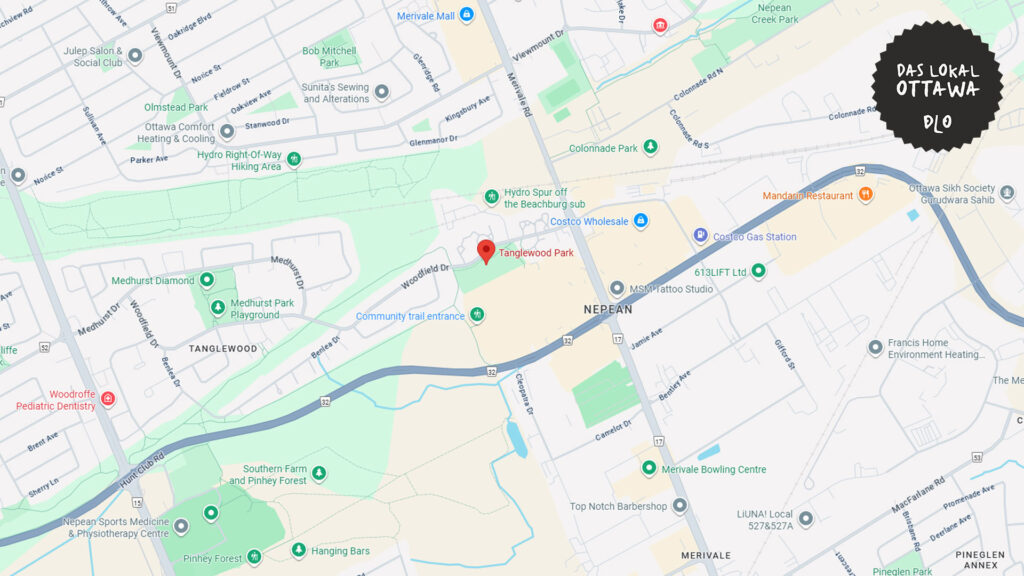
Tanglewood is a neighbourhood in Ottawa’s west end, just off Hunt Club Road and Woodroffe Avenue. It’s close to Merivale Road, bordered by stretches of the Greenbelt, with nearby parks and quiet residential streets shaping the area.
What is the main street in Tanglewood?
In Tanglewood, the street that defines the neighbourhood is Woodfield Drive. It runs through the middle of the community, connecting both Woodroffe Avenue and Merivale Road.
How to Get to Tanglewood
By Driving
From downtown, it’s about a 20-minute drive. Just head south on Bronson or Bank Street, connect to Hunt Club, and follow it west until you reach Woodroffe.
By Bus
OC Transpo routes make it simple to get there without a car. Buses running along Woodroffe Avenue, like the 74 and 75, stop near Hunt Club, right by the entrance to Tanglewood. From the stop, it’s only a short walk into the neighbourhood along Woodfield Drive.
Cost of Living and Affordability in Tanglewood

The average cost of living in Tanglewood (with rent) for one person is around $2,599, and a family of four might spend about $4,169.
Given how Tanglewood is outside the city centre and is a suburban neighbourhood, its living costs are lower than the Ottawa average, based on Numbeo.
Let’s take a look at the basic average monthly expenses for one person and a family of four living in Tanglewood:
| Expense | One person (Average per month) | Family of four (Average per month) |
| Rent | $1,724 | $2,574 |
| Food and groceries | $450 | $1,000 |
| Utilities (incl. internet and mobile plan) | $295 | $400 |
| Transportation | $135 (transit pass) | $195 (one car, including fuel and insurance) |
| Total with rent | $2,599 | $4,169 |
| Total without rent | $875 | $1,595 |
These costs vary on usage, providers, and other factors.
Tanglewood is easier on the wallet compared to the city centre of Ottawa, mainly because it’s a suburban neighbourhood. You can see that rent takes up the most significant chunk, but groceries, transit, and utilities don’t push the budget too hard.
A single person spends just over $2,500 a month on average, while a family of four is closer to $4,200. Another thing to consider is how choosing the bus over driving can make a real difference, and with a bit of planning, day-to-day costs stay manageable.
Overall, it depends on your lifestyle—whether you’re aiming to keep things affordable or prefer the ease of convenience and enjoy a bit of luxury.
Real Estate and Housing Stock in Tanglewood
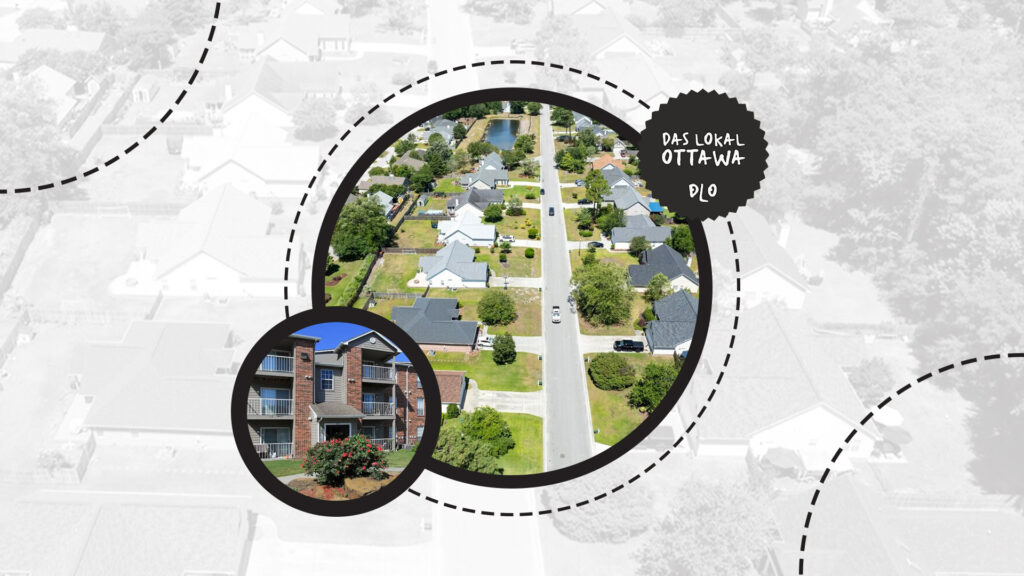
Tanglewood is a suburban neighbourhood with most homes built between the late 60s and 80s, featuring a mix of detached houses, townhouses, and some low-rise apartments.
Townhouses dominate the market as the most common and affordable option, while about 70% of residents own their homes and 30% rent.
Tanglewood is one of those older Ottawa suburbs, mostly built in the late 60s and 80s, so the houses feel pretty established. You’ll see a mix of places here. Detached homes are the big ones with yards and garages, which is good if you want space for a family.
Townhouses are everywhere in Tanglewood, the most common option. They’re smaller, easier to take care of, and usually a lot more affordable, which is why you’ll see lots of young families and first-time buyers choosing them.
There are also semi-detached houses, basically two homes stuck together, and they’re usually cheaper than a detached house but still give you more space and privacy than an apartment or condo.
Apartments and rentals are around, too, though they make up less of the area.
About 30% of people here rent, whether it’s a townhouse, an apartment, or one of the newer affordable homes from Ottawa Community Housing. The other 70% own their place, so the neighbourhood feels pretty stable.
Demographics and Population in Tanglewood
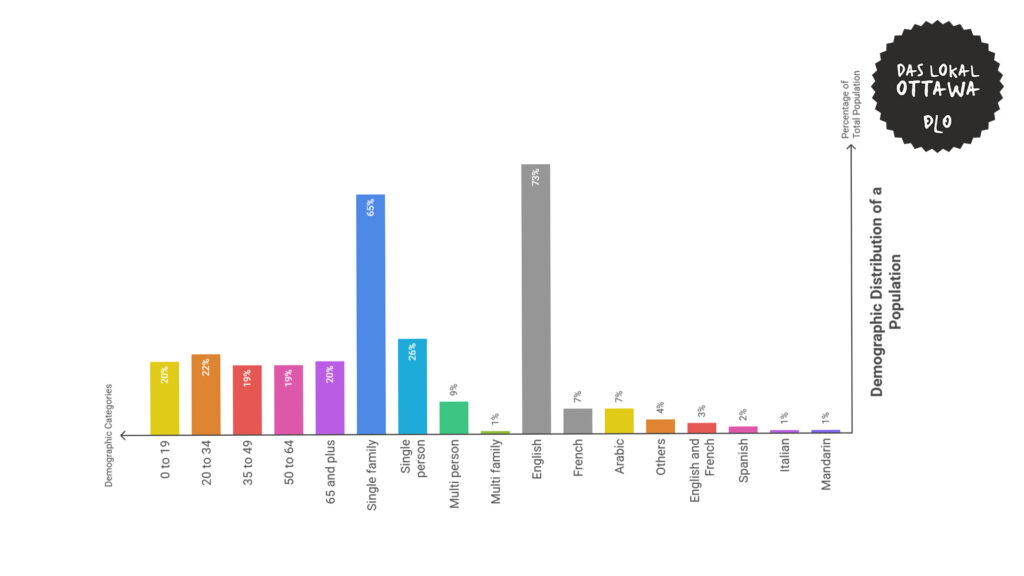
Tanglewood is home to about 4,614, according to Wahi, with a mix of all age groups—kids, working adults, and seniors, each making up about a fifth of the community.
Most people live in single-family homes, but there are also plenty of one-person households and some rentals. While English is the main language, you’ll also hear French, Arabic, and a few others like Spanish, Italian, and Mandarin.
Tanglewood has a population of around 4,614 as of July 2025, according to Wahi. It’s a family-oriented area, but the age mix is surprisingly balanced.
Kids and teens under 20 make up 20%, while young adults 20-34 come in at 22%. People in their mid-life years (35-49 and 40-64) each account for 19%, and seniors 65 and over make up another 20%. You’ll see everything from strollers to retirees in the same community.
Households here are mostly single-family homes (65%), but there’s plenty of variety. About a quarter of homes are single-person households (26%), and smaller numbers are multi-person (9%) or multi-family households (1%).
Language-wise, English dominates at 73%, but the neighbourhood has a noticeable mix. French and Arabic are each spoken about 7%, with smaller communities speaking Spanish (2%), Italian (1%), and Mandarin (1%). A few households are bilingual in French and English (3%).
Neighbourhood Boundaries and Sub‑Areas in Tanglewood
Tanglewood, aka Tanglewood-Hillsdale, sits between the railway to the north, Merivale Road to the east, Hunt Club to the south, and Woodroffe Avenue to the west. Inside the neighbourhood is a smaller section built in the 80s called Hillsdale.
Tanglewood (sometimes called Tanglewood-Hillsdale) is framed by a few easy-to-spot borders: the railway track (CN Line) marks the northern edge, Merivale Road runs along the east, Hunt Club Road defines the south side, and Woodroffe Avenue forms the west boundary.
Within this neighbourhood, there’s a smaller pocket called Hillsdale—think of it as the newer part, built in the early to mid-1980s, compared to the main Tanglewood area developed in the late 60s through the 70s.
Transportation and Commute in Tanglewood
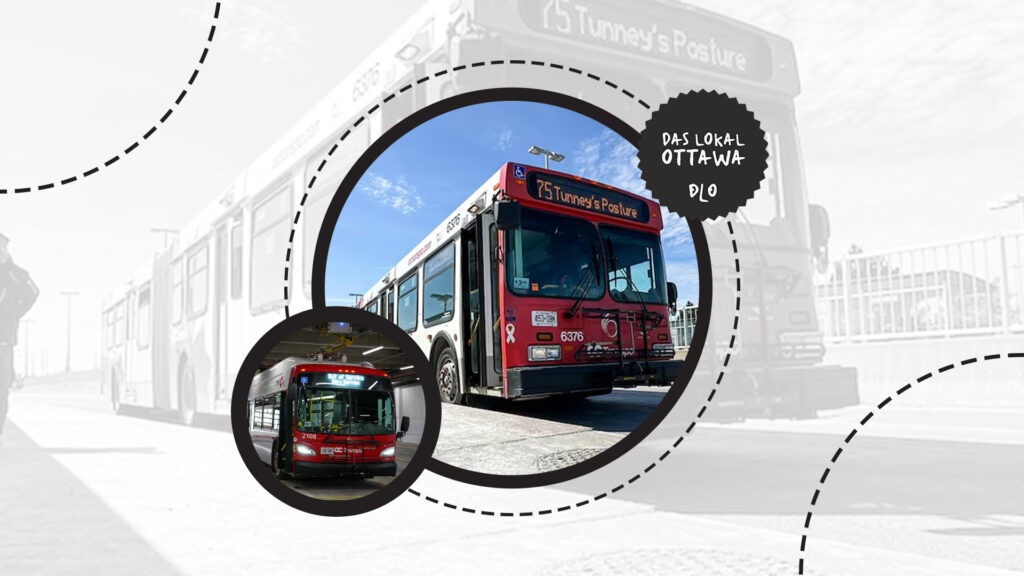
While most residents in Tanglewood rely on cars, OC Transpo’s Route 83 offers a reliable transit option right through the neighbourhood. This can be a solid alternative if you want to cut down costs on fuel and car insurance.
Here’s a quick rundown of the transportation and commute in Tanglewood looks like:
| Transportation | Description |
| OC Transpo (Route 83 + transit system) | A direct bus route through Tanglewood, and expect to pay $4 per ride, or $135 per month for an adult pass. |
| Driving | Driving a car is the most popular way to get around the neighbourhood. |
| Cycling or walking | Many residents walk or cycle to their destinations for local trips, and it’s a greener alternative. |
Safety and Crime in Tanglewood
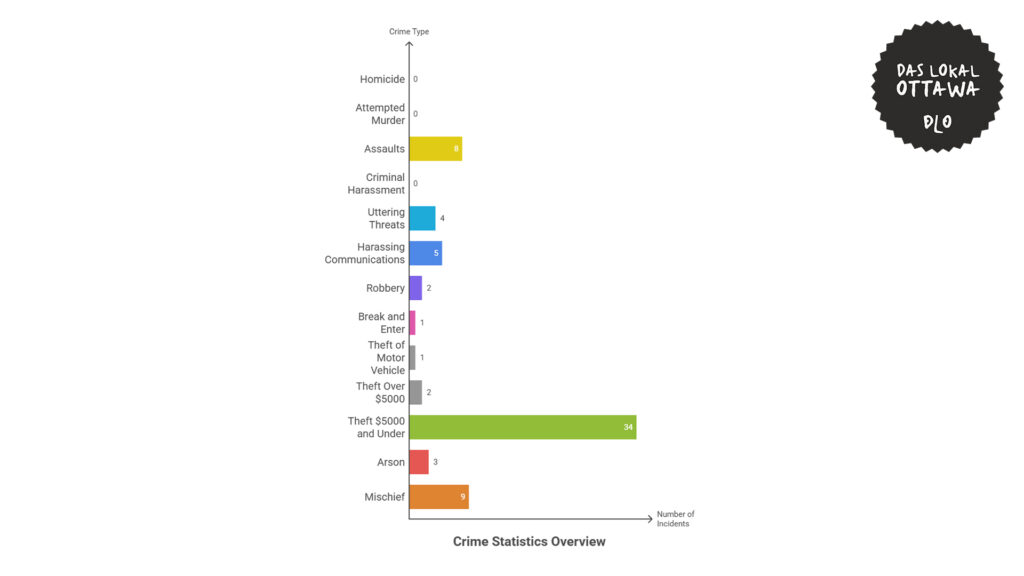
Tanglewood is a pretty safe part of Ottawa, with no homicides or attempted murders reported between January and August 2025. Most of the issues that do arise are smaller ones—like 34 cases of theft under $5,000, some mischief, and threats.
It lines up with Ottawa overall, which had a Crime Severity Index of 53.8 in 2024, which is below the national average of 77.9.
Tanglewood is generally considered a safe spot in Ottawa, especially when you look at the numbers from January to August 2025. There haven’t been any homicides or attempted murders this year, and violent crimes overall are rare.
According to Ottawa Police Community Safety Data Portal, the biggest issues tend to be the smaller-scale stuff like theft under $5,000, which had 34 cases, along with a handful of mischief reports and a few incidents of threats or harassment.
When you put that into perspective with the rest of the city, it lines up with Ottawa’s overall reputation as one of Canada’s safer big cities.
Ottawa as a whole scores a Crime Severity Index (CSI) of 53.8in 2024 (Statistics Canada), which is well below the national average of 77.9, suggesting a generally safe environment.
Schools and Education in Tanglewood
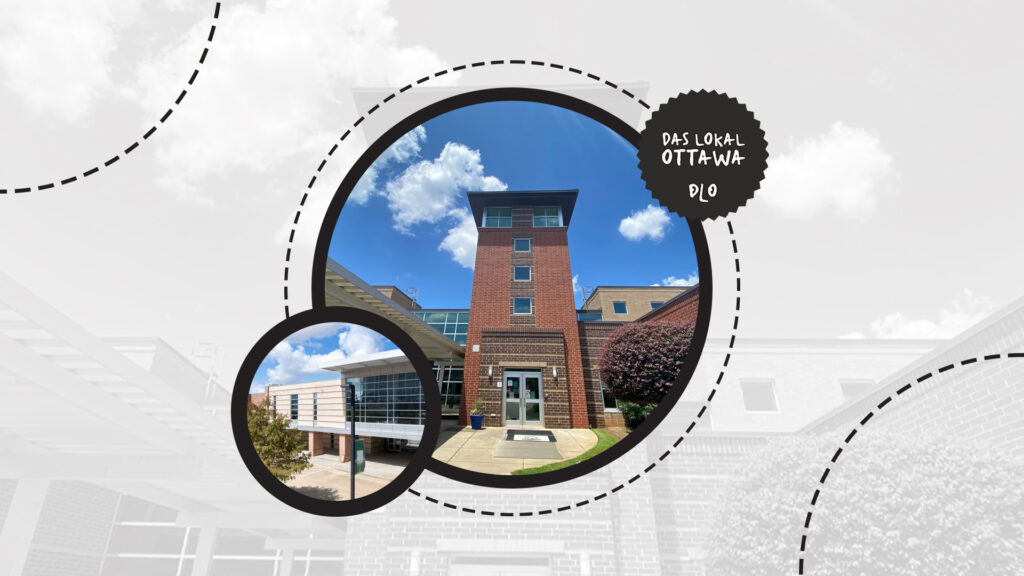
Schools are easy to get to in Tanglewood. Younger kids can start at the local Montessori school or nearby public and Catholic options, with French programs available too. For high school, most students go to Bell or Franco-Quest, both of which are nearby.
Here’s a rundown of the schools in or near Tanglewood:
| Education Level | School and Highlights |
| Preschool to Kindergarten | Tanglewood School – A Montessori-style preschool offering programs for toddlers and Casa. |
| Elementary (JK–6) | Our Lady of Peace Elementary School – A Catholic school serving JK to Grade 6, just a short drive away. |
| Bells Corners Public School – A nearby public JK to Grade 8 school. | |
| D. Roy Kennedy Public School – Public JK to Grade 8 school, located on Woodroffe Avenue. | |
| High School (Grades 9–12) | Bell High School – A public school near Tanglewood. |
| Collège catholique Franco-Ouest – It’s a nearby Catholic French-language high school. | |
| St. Paul High School – Another nearby Catholic school. |
Parks and Recreation in Tanglewood
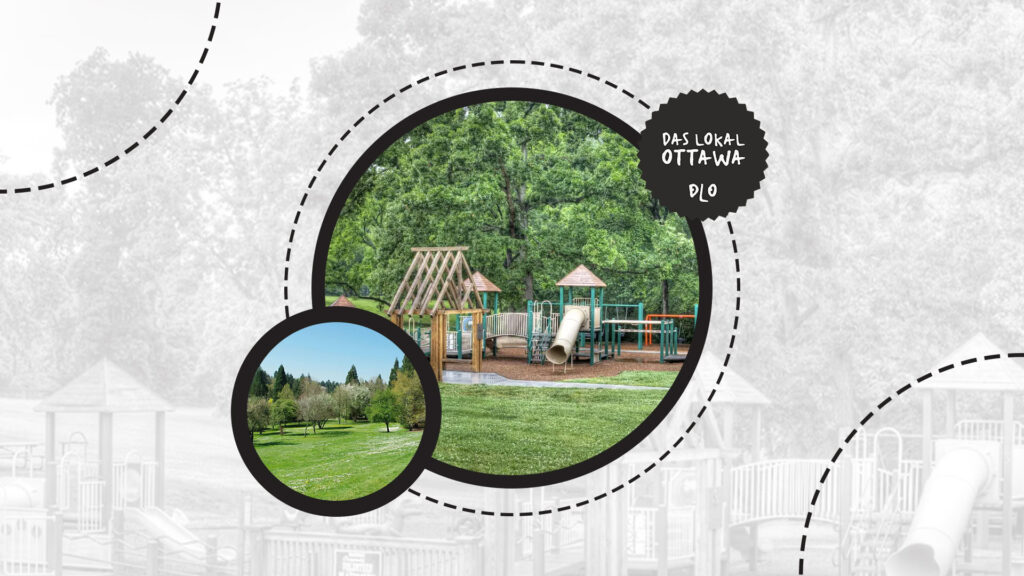
Tanglewood’s parks and green spaces are central to community life, with Tanglewood Park and Hillsdale Park offering everything from tennis courts and playgrounds to a popular toboggan hill in winter.
The neighbourhood’s community centre adds to that energy, running programs and events that keep residents connected.
Tanglewood has a couple of parks that shape the neighbourhood’s character. Tanglewood Park is the hub, with a tennis court, a playground, and expansive green spaces that work just as well for a casual picnic as it does for a soccer game.
A short walk away, Hillsdale Park offers a quieter spot, but in the winter it comes alive with its toboggan hill, a local favourite for families.
Tying it all together is the community centre, which hosts programs and events year-round, making these parks more than just green space—they’re part of the social aspect of the area.